Saving the Unsaveable: The Discord Servers Racing to Rescue Forgotten Digital Artifacts
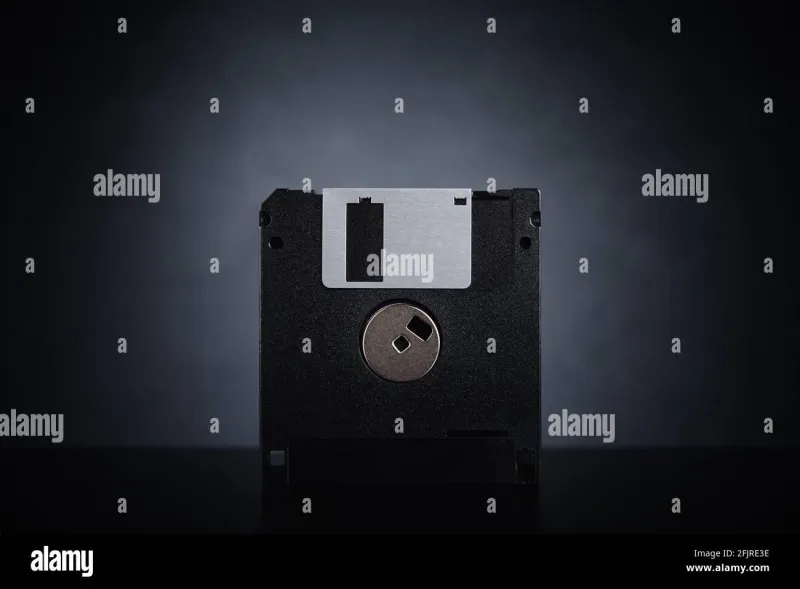
Photo: old computer floppy disks vintage hardware archive dark moody, via c8.alamy.com
There's a server out there — invite-only, maybe a few hundred members — where people spend their evenings tracking down installation files for software that stopped being supported before most of its members were old enough to drive. They share links in pinned channels, argue over file integrity in threads that stretch for days, and occasionally celebrate when someone unearths a working copy of something that was supposed to be gone forever. Nobody's paying them. Nobody's really watching. They just... do it.
This is digital preservation in its most grassroots, chaotic, and quietly magnificent form.
The Archive Impulse
The internet has always had a hoarding problem, but hoarding and preservation aren't the same thing. Hoarding is passive — you accumulate without intention. Preservation is a practice. It requires someone to decide that a thing has value before the rest of the world has noticed it's disappearing.
That decision-making process is exactly what makes these Discord communities strange and fascinating. They're not archiving the canonical stuff. The Internet Archive already has that covered, more or less. What these groups go after is weirder: obscure Flash games that never got a Newgrounds page, regional ISP welcome screens from the late '90s, forum skins designed for communities that dissolved years ago, MIDI files ripped from defunct personal homepages. Things that exist in the margins of digital memory.
One member of a preservation server focused on early 2000s browser customization tools described it this way: "There's no Wikipedia article for this stuff. There's no reason for anyone to care about it except that it existed, and existing means it was part of someone's life at some point. That feels like enough."
How They Actually Work
The mechanics vary by community, but most of these servers share a loose operational structure. There's usually a request channel where someone posts a thing they're looking for — a specific version of a piece of abandonware, a cached page that's no longer on the Wayback Machine, a file that only ever lived on one guy's GeoCities page. Then the community mobilizes.
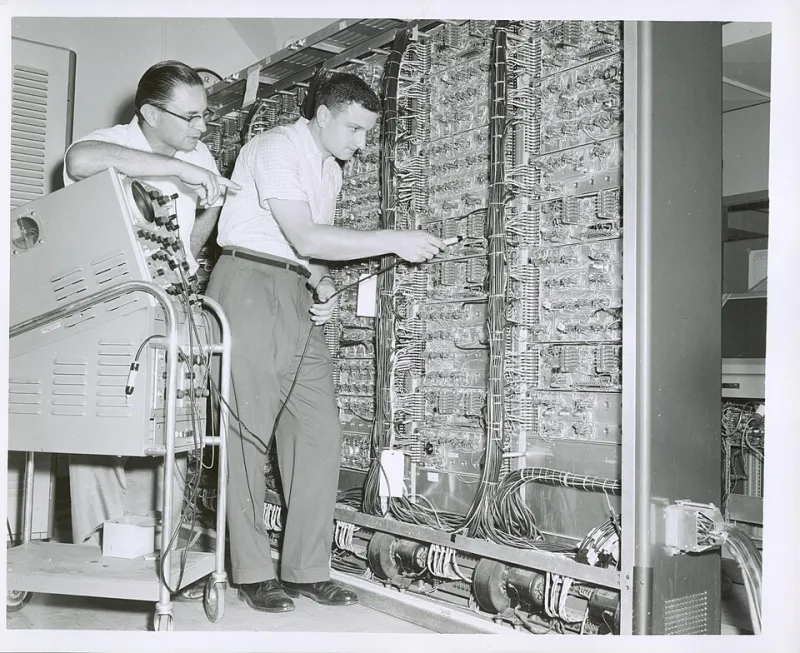
Some members specialize in old hardware. They've got machines running Windows 98 or XP specifically to interface with software that won't run on modern systems. Others are skilled at navigating the darker corners of file-sharing networks, pulling from sources that exist in a legal gray zone that nobody in the server talks about directly but everyone understands implicitly.
There are verification rituals too. Hash checks. Cross-referencing against old screenshots. Someone who remembers using the thing back in the day and can confirm that yes, this is the right version, the one with the broken cursor animation that was actually a feature and not a bug.
The results get stored in shared drives, private servers, and occasionally submitted to more formal archives when the community feels the artifact is significant enough. But a lot of it just lives in the Discord itself — pinned in channels, buried in search history, quietly waiting.
The Obscurity Paradox
Here's where things get philosophically thorny, and where these communities start to feel genuinely interesting rather than just admirably nerdy.
A lot of what makes these digital artifacts worth preserving in the first place is precisely that they were obscure. A piece of software built by one person for a small regional BBS community in 1997 carries a kind of specificity — a texture of a particular time and place and subculture — that gets diluted the moment it becomes easily accessible. Post it publicly, write a blog post about it, get it featured on a tech nostalgia site, and suddenly it's content. It's been processed. The thing that made it strange and specific has been sanded down.
Some preservationists in these servers are acutely aware of this tension. There are ongoing debates about whether certain archives should stay private, shared only within the community rather than uploaded to publicly searchable repositories. The argument isn't about gatekeeping for its own sake — it's about whether accessibility changes the nature of what's being preserved.
One server, focused on preserving the visual ephemera of mid-2000s web design subcultures, has an internal policy against posting their finds on social media. "The moment something goes viral, it stops being what it was," one longtime member explained in a pinned message that's been there for years. "We're not trying to make this stuff famous. We're trying to keep it alive."
That's a distinction worth sitting with.
The People Doing This
The demographics of these servers skew younger than you might expect. A significant portion of the most active members weren't alive for the things they're preserving. They're drawn not by nostalgia but by something more abstract — a fascination with digital archaeology, with the texture of internet history, with the feeling of holding something that almost didn't survive.
There are older members too, people who remember using the software or visiting the forums being archived, who show up with context and personal testimony that can't be found anywhere else. Those people are treated with something close to reverence. They're primary sources.
What unites them is a shared conviction that the internet's past is worth caring about even when — especially when — nobody else does. In a media landscape that's obsessed with what's new and next, there's something genuinely countercultural about spending your evenings trying to recover a working copy of a screensaver designed for a dial-up era desktop.
What Gets Lost Anyway
For all their effort, these communities will tell you plainly: they're losing. Not every server, not every community, not every obscure piece of software gets to someone in time. Links die. Hard drives fail. The one person who had a copy moves on and takes it with them.
There's a channel in more than one of these servers dedicated to things that didn't make it — artifacts confirmed lost, documented only by screenshots or descriptions in old forum posts. It functions almost like a memorial wall. Evidence that something existed, even if the thing itself is gone.
That practice — memorializing the irretrievably lost alongside the successfully saved — says something about what preservation really means. It's not just about keeping things. It's about bearing witness. About insisting that the small, strange, specific corners of the internet were real and mattered, even when the platforms they lived on have long since been deleted, sold, or quietly shut down in the night.
The servers doing this work exist in the same uncertain space as the things they're trying to save: niche, invite-only, not quite searchable, sustained by a handful of people who just decided it was worth their time. Which means, of course, that someday someone might be trying to preserve them.
That's the corner of the internet where things get genuinely weird — and genuinely worth exploring.