Ghost Threads: Wandering the Internet's Most Beautifully Dead Communities
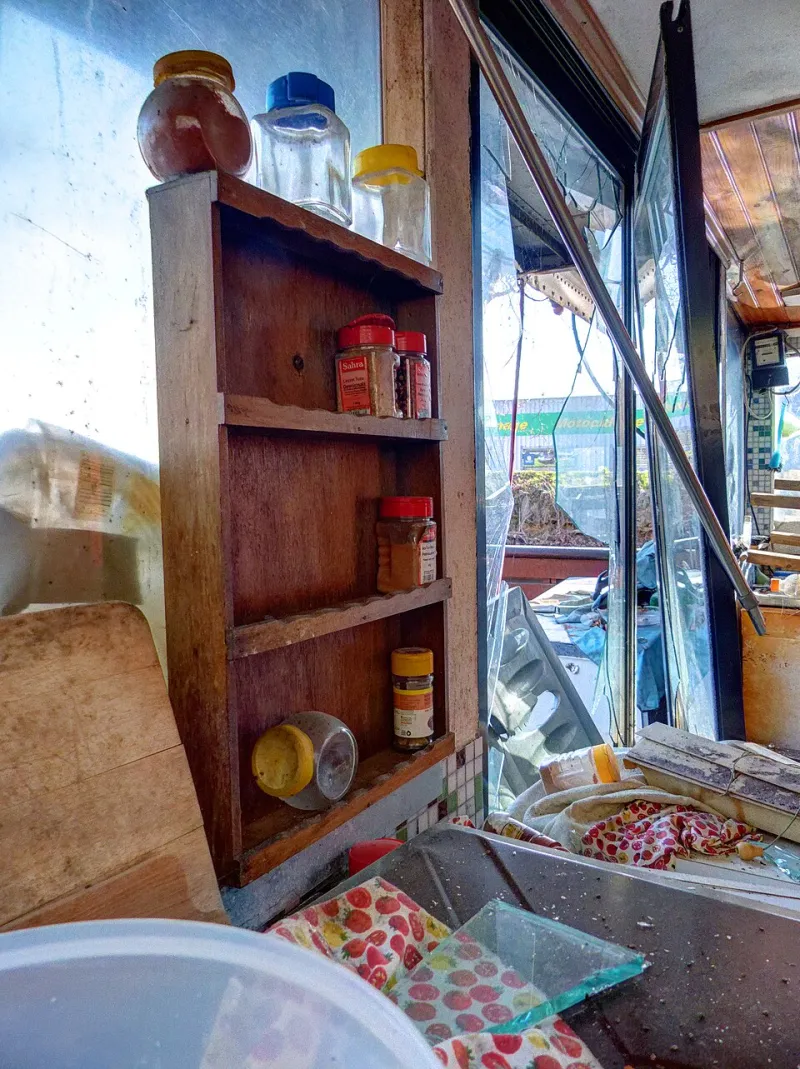
Photo: Thomas Bresson, CC BY 4.0, via Wikimedia Commons
Somewhere between the living and the deleted, there are online spaces that technically still exist — subreddits with their last post from 2013, Discord servers where a single bot still pings into the void, forums where someone asked a question and nobody ever answered. These aren't ruins exactly. They're more like time capsules nobody meant to seal.
If you've ever fallen down a rabbit hole at 2 a.m. and landed somewhere that felt weirdly still, you already know what we're talking about.
The Anatomy of a Dead Subreddit
Reddit is enormous — over 100,000 active communities, and probably twice that many that aren't active at all. When a subreddit dies, it doesn't get deleted. It just... stops. The mod goes quiet. The posts thin out. Eventually someone makes a jokey farewell thread and then even that gets buried.
What's left is a kind of digital amber. r/DeadSubreddits and similar meta-communities have catalogued thousands of these spaces, and people visit them with a mix of nostalgia and morbid curiosity. There's r/MyCuriousSubreddit, dedicated to the TV show Curious George but last active in 2017. There's r/FruitSaladsOfInstagram, which had exactly four posts. There's an entire subreddit for fans of a regional mall food court chain that closed in 2014.
You can scroll through these places and piece together who these people were — what they cared about, how they talked to each other, what jokes landed. It's like finding a box of old letters in a thrift store.
Why People Keep Coming Back
Here's the weird part: these communities still get visitors. Not a lot, but some. According to Reddit's own traffic data, even subreddits with zero new posts still rack up occasional page views — sometimes hundreds per month.
Some of those visitors are researchers or journalists. Some are bots. But a surprising number are just people who stumbled in and stayed a while.
"There's something peaceful about it," wrote one user in a thread about dead forums on r/ObscureInternet. "Like visiting a town that got bypassed by the highway. Everything's still there, just... not going anywhere."
That sentiment shows up again and again. The internet moves so fast that stillness itself has become a kind of novelty. When every living platform is optimized for engagement — notifications, algorithms, trending topics — a place where nothing is happening starts to feel almost sacred.
Psychologists who study digital behavior sometimes describe this as digital flaneurism: wandering online spaces without a destination, just to observe. Dead communities are perfect for it. Nobody's going to reply to you. There's no pressure. You can just read.
The Strange Artifacts Left Behind
Dead online communities have their own archaeology. Spend enough time in them and you start to notice patterns in what gets left behind.
There are the optimistic pinned posts — "Welcome to our community! Please read the rules before posting!" — written by mods who clearly expected things to take off. There are threads where someone asked a sincere question and got zero responses, which hits different years later. There are inside jokes that no longer have any context, references to drama that you'll never be able to fully reconstruct.
Sometimes you find something unexpectedly moving. A subreddit for a specific rare medical condition, last active in 2016, with a final post that just says "still here, hope everyone is doing okay." A forum for fans of a canceled show where the last thread is people saying goodbye to each other and exchanging emails, trying to stay connected before the lights went out.
These artifacts aren't curated. Nobody went back and cleaned them up. That's what makes them feel real in a way that most of the internet doesn't anymore.
Discord's Quiet Graveyards
Reddit gets most of the attention when people talk about dead online communities, but Discord might actually be the weirder place to go ghost-hunting.
Discord servers don't have public indexes. You need an invite link to get in, which means most dead servers are genuinely inaccessible — sealed off from the outside world when their invite links expired. But some old links still work. And when you find one, you walk into something that feels almost voyeuristic.
Imagine a server for a small indie game that never launched. The channels are still there: #general, #suggestions, #fan-art. The last message in #general is from someone asking if the dev is okay. The dev never responded. The bot still posts a daily motivational quote.
These spaces feel different from dead forums because Discord was built around real-time conversation. Forums have a kind of permanence baked in — they were always meant to be archives of a sort. Discord was supposed to be alive. Finding a dead one is like walking into a house where all the clocks stopped at the same time.
The Old Web's Deeper Graves
Go further back and the archaeology gets even stranger. Sites like the Wayback Machine let you visit forums and message boards from the early 2000s — Ezboard communities, phpBB installations, GeoCities pages that somehow got archived before the shutdown.
These are the oldest graves in the digital cemetery. The language is different. The concerns are different. Someone in 2003 is worried about a thing that resolved itself years ago and doesn't know it yet. You can see the whole arc from the outside in a way they never could.
There's a particular forum — a small community for fans of a niche sci-fi novel series — that's been sitting in the Wayback Machine since 2006. The last post is a long, thoughtful analysis of the final book in the series. It got two replies. Both are positive. Then nothing.
Somewhere, whoever wrote that post has probably moved on, maybe forgotten they ever wrote it. But it's still there, frozen mid-sentence, waiting for a response that's never going to come.
What We're Really Looking For
Maybe the reason people are drawn to these dead places isn't morbid at all. Maybe it's the opposite.
The living internet is relentless. It demands your attention, your reaction, your content. Dead communities ask nothing. They just exist. And in existing, they remind you that people have always been trying to find each other online — to build something together, even if it doesn't last.
The communities died. The desire that created them didn't.
So if you ever find yourself deep in a subreddit where the last post is from five years ago, or in a Discord server where the only sound is a bot talking to itself — don't rush out. Sit with it for a minute. Read what people left behind. You're not intruding. You're bearing witness.
And that's not nothing.